menu
Slider Image 1
Slider Image 2
Slider Image 3
Slider Image 4
Slider Image 5
Slider Image 7
Slider Image 8
Slider Image 9
Slider Image 10
Slider Image 11

Why Milwaukee Properties Face Constant Water Damage Threats

Milwaukee sits on the western shore of Lake Michigan, where lake-effect weather, freeze-thaw cycles, and clay-heavy soil create perfect conditions for water intrusion. Winter temperatures swing from below zero to above freezing, causing ice dams on roofs and burst pipes inside walls. Spring thaw floods basements throughout Bay View, Riverwest, and Washington Heights as snowmelt overwhelms aging storm sewers built in the 1920s.

The Menomonee, Kinnickinnic, and Milwaukee Rivers all flow through the city, putting neighborhoods near these waterways at risk during heavy rain events. Clay soil throughout Milwaukee County does not drain well, causing water to pool around foundations and seep through basement walls. Older homes in areas like Sherman Park and Tosa Village have limestone foundations that absorb water like a sponge.

Lake-effect storms dump several inches of rain in hours, overwhelming gutters and causing street flooding that backs up into homes. Buildings near Lincoln Memorial Drive and along the lakefront face wind-driven rain that penetrates siding and windows. Milwaukee's humid summers create condensation issues in attics and crawl spaces, leading to hidden moisture damage that goes unnoticed until mold appears.

About Us

Why Milwaukee Homeowners Choose All Pro for Water Emergencies

All Pro Water Damage Restoration Milwaukee has served Milwaukee County for over 15 years, responding to thousands of water emergencies from burst pipes to flooded basements. Our technicians live in Milwaukee neighborhoods and understand how lake-effect weather and aging infrastructure create unique water damage challenges. We dispatch crews within one hour because we know that water wicks through drywall, insulation, and flooring every minute you wait.

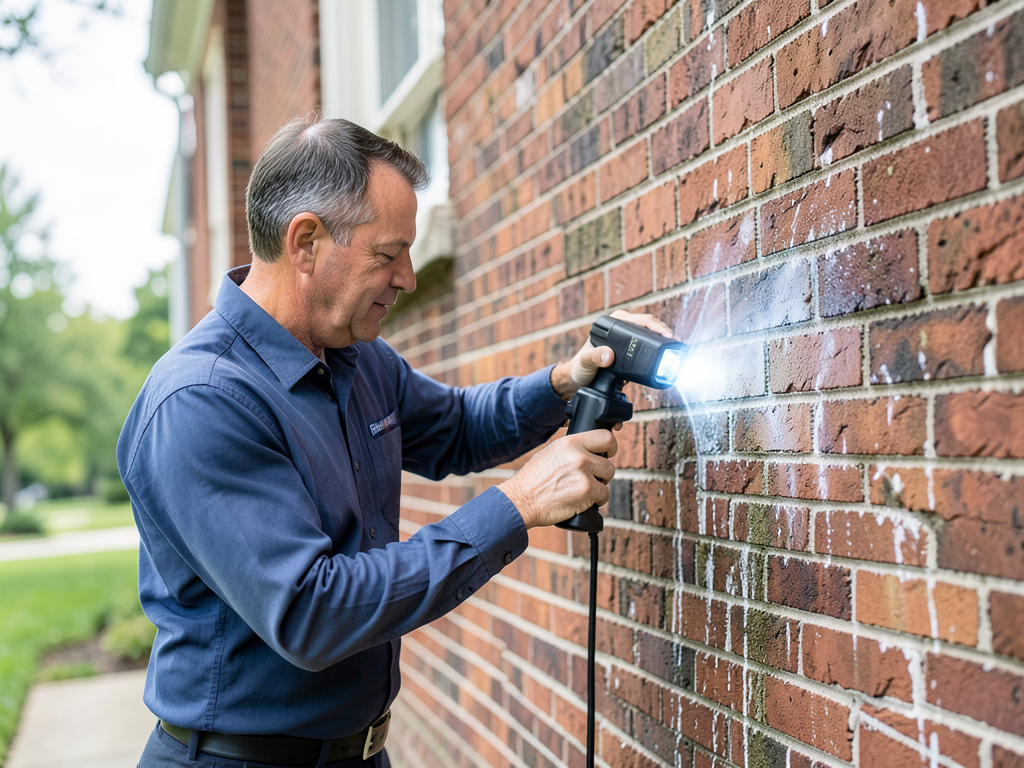
We use thermal imaging cameras to find hidden moisture behind walls and under floors that standard meters miss. Our truck-mounted extraction equipment removes hundreds of gallons in minutes, not hours. Industrial dehumidifiers and air movers create controlled drying environments that prevent secondary damage and mold growth. We monitor moisture levels daily until materials return to dry standards, documented with detailed reports your insurance company needs.

All Pro works directly with every major insurance carrier in Wisconsin. We photograph damage, write estimates in Xactimate software that adjusters use, and handle communication from first call to final payment. Most customers pay only their deductible because we negotiate scope and pricing with adjusters. Our project managers have handled everything from small supply line leaks to multi-unit building floods, and they know how to get claims approved without fights or delays.

We also understand Milwaukee building codes and work with city inspectors when permits are required. Our restoration process follows IICRC S500 water damage standards, the industry protocol that ensures proper drying and prevents future problems. You get a local company with national-level equipment and training, not a franchise that sends crews from out of state.


60-Minute Emergency Dispatch

Our crews respond within one hour across Milwaukee County, arriving with truck-mounted extraction equipment and industrial drying systems. Water spreads through building materials every minute. Fast response stops damage before it reaches drywall, insulation, and subflooring. We answer calls 24/7 because emergencies do not happen on a schedule.

Direct Insurance Billing

We document every step of water removal and drying with photos, moisture readings, and detailed estimates in Xactimate format. Our project managers communicate directly with insurance adjusters, handling paperwork and negotiations so you do not fight for coverage. Most customers pay only their deductible because we know how to get claims approved the first time.

Advanced Moisture Detection

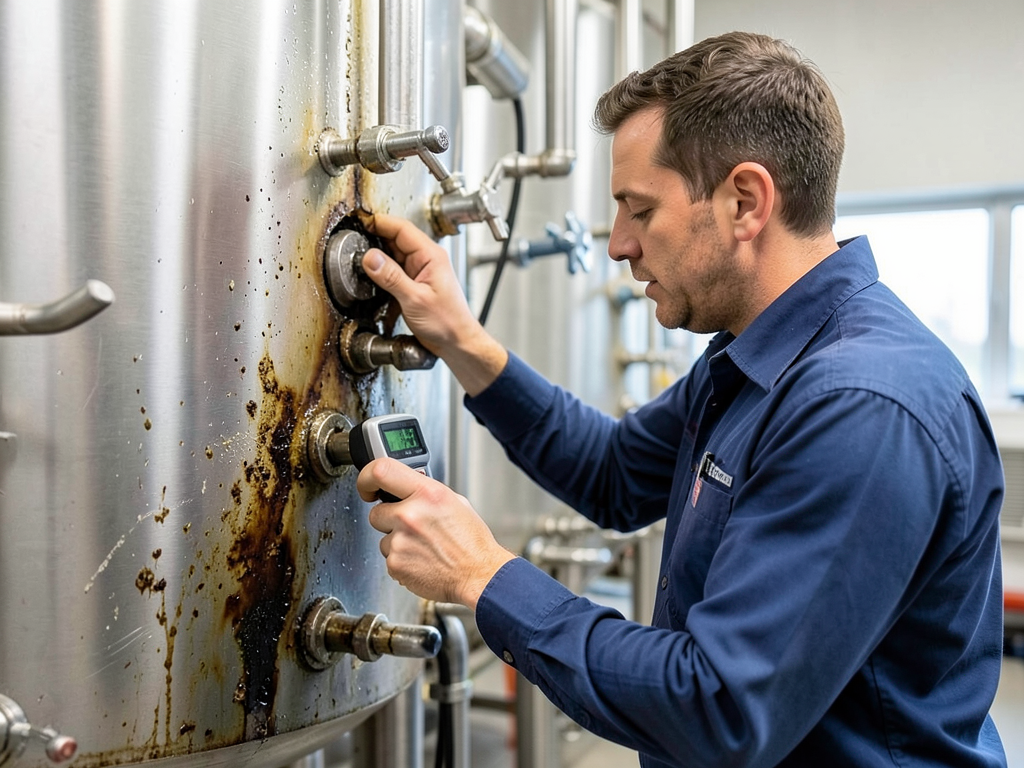
Thermal imaging cameras reveal hidden water behind walls, under floors, and in ceiling cavities that standard moisture meters cannot detect. We map wet areas and track drying progress daily with calibrated instruments. This prevents mold growth and structural damage caused by moisture that homeowners and adjusters cannot see. Documentation protects you if problems appear later.

Milwaukee Building Knowledge

Fifteen years responding to Milwaukee water emergencies taught us how this city's clay soil, lake-effect weather, and older building stock create water damage patterns. We know which neighborhoods flood during spring thaw, which home types have vulnerable foundations, and how Milwaukee's building codes affect restoration work. Local knowledge means faster diagnosis and proper repairs.

Our Services

Complete Water Damage Services Across Milwaukee County

All Pro Water Damage Restoration Milwaukee handles every type of water emergency and restoration need across residential and commercial properties. Our services range from immediate emergency water extraction to complete structural rebuilding after major floods. We respond to clean water events like burst supply lines, contaminated water from sewer backups, and category three flooding from rivers and storm surges.

Our technicians follow IICRC S500 water damage restoration standards, which define proper protocols for extraction, drying, and contamination control. We classify water damage by category and determine appropriate safety measures, drying methods, and disposal requirements. Equipment selection depends on water source, affected materials, and building structure. A basement flood from a broken water heater requires different treatment than a sewage backup or roof leak.

We also handle insurance claims from documentation through final payment. Our estimates include emergency services, structural drying, demolition, antimicrobial treatment, and full reconstruction. You get one company managing the entire process instead of coordinating between a water removal service, a mold company, and a general contractor. This approach saves time and prevents miscommunication that causes delays.

24/7 Water Extraction and Flood Response Services

Immediate response to burst pipes, appliance failures, sewage backups, and storm flooding across Milwaukee County. Our crews arrive within 60 minutes with truck-mounted extraction equipment that removes hundreds of gallons in minutes. We extract standing water, remove saturated materials, and begin structural drying before damage spreads to unaffected areas. Emergency board-up and tarping services protect your property from further damage while restoration proceeds.

Advanced Dehumidification and Moisture Control Systems

Industrial dehumidifiers and air movers create controlled drying environments that pull moisture from walls, floors, and building cavities. We monitor humidity levels and material moisture content daily with calibrated instruments, adjusting equipment placement until readings return to dry standards. Thermal imaging reveals hidden moisture in wall cavities and ceiling spaces. Proper drying prevents mold growth, wood rot, and structural damage that appears weeks after water intrusion.

Complete Reconstruction After Water and Flood Damage

Rebuilding services after major water damage events including drywall replacement, flooring installation, kitchen and bathroom reconstruction, and exterior repairs. Our crews handle demolition, framing, electrical, plumbing, and finish work required to return your property to pre-loss condition. We work with Milwaukee building inspectors when permits are required and ensure all repairs meet current code. One company manages the entire project from emergency response to final walkthrough.

Common Issues

Common Water Damage Problems Milwaukee Property Owners Face

Milwaukee's location on Lake Michigan and the city's aging infrastructure create water damage scenarios that homeowners face repeatedly. Lake-effect weather dumps several inches of rain in short periods, overwhelming gutters and storm sewers built for lighter rainfall. Freeze-thaw cycles cause ice dams on roofs and burst pipes inside walls. Clay soil throughout Milwaukee County holds water against foundations, causing seepage and basement flooding.

Older neighborhoods feature homes built in the 1920s through 1950s with limestone foundations, cast iron drain lines, and minimal waterproofing. These buildings were not designed for modern water use or current rainfall patterns. Supply lines, water heaters, and washing machine hoses age and fail without warning. Sewer backups occur when tree roots infiltrate clay pipes or when storm surges overwhelm combined sewer systems near the rivers.

Water damage also happens slowly through roof leaks, window seepage, and condensation in attics and crawl spaces. These problems go unnoticed until stains appear on ceilings or mold grows on walls. Milwaukee's humid summers create perfect conditions for mold growth in damp areas. Understanding these common problems helps property owners recognize warning signs before minor issues become major disasters.

Basement Flooding from Spring Thaw and Heavy Rain

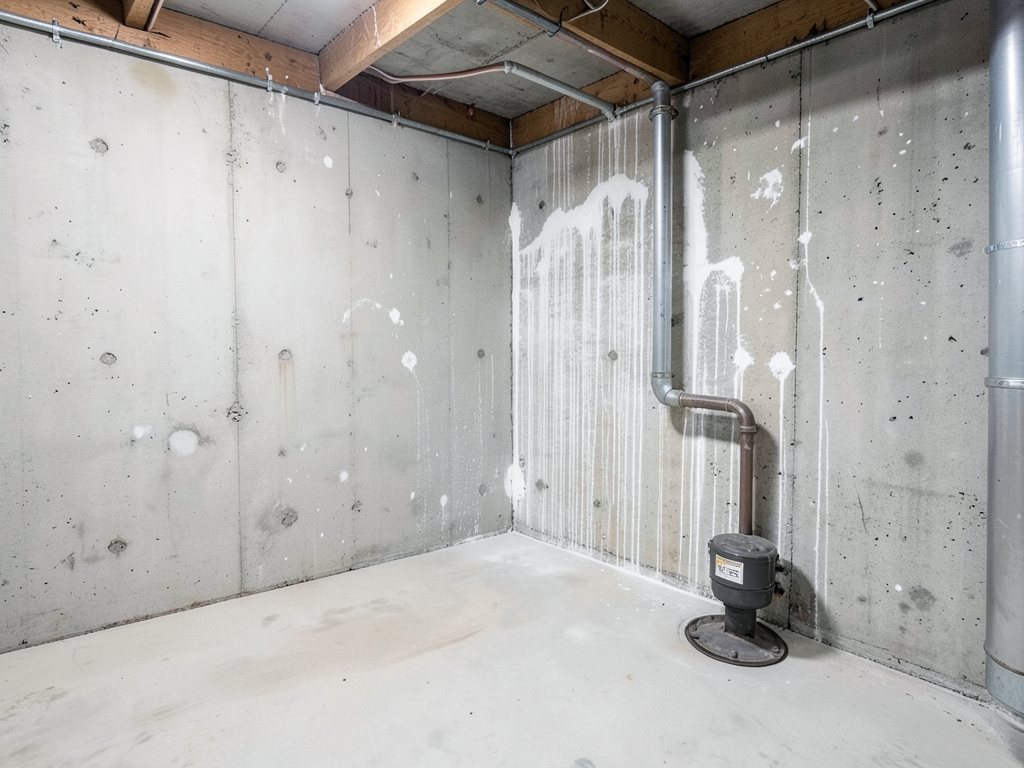
Spring snowmelt and summer storms overwhelm Milwaukee's storm sewers, causing water to back up through floor drains or seep through foundation walls. Clay soil does not drain well, keeping water against foundations for days. Finished basements suffer extensive damage to drywall, flooring, and personal property. Sump pumps fail from age or power outages during storms when they are needed most.

Burst Pipes and Supply Line Failures During Winter

Milwaukee winters bring temperatures well below zero, causing pipes in exterior walls and unheated spaces to freeze and burst. Water flows for hours before homeowners discover the problem, flooding multiple floors. Water heater failures, washing machine supply line breaks, and toilet supply line cracks also release hundreds of gallons inside living spaces. Fast response prevents water from spreading to additional rooms.

Ice Dams and Roof Leaks on Older Homes

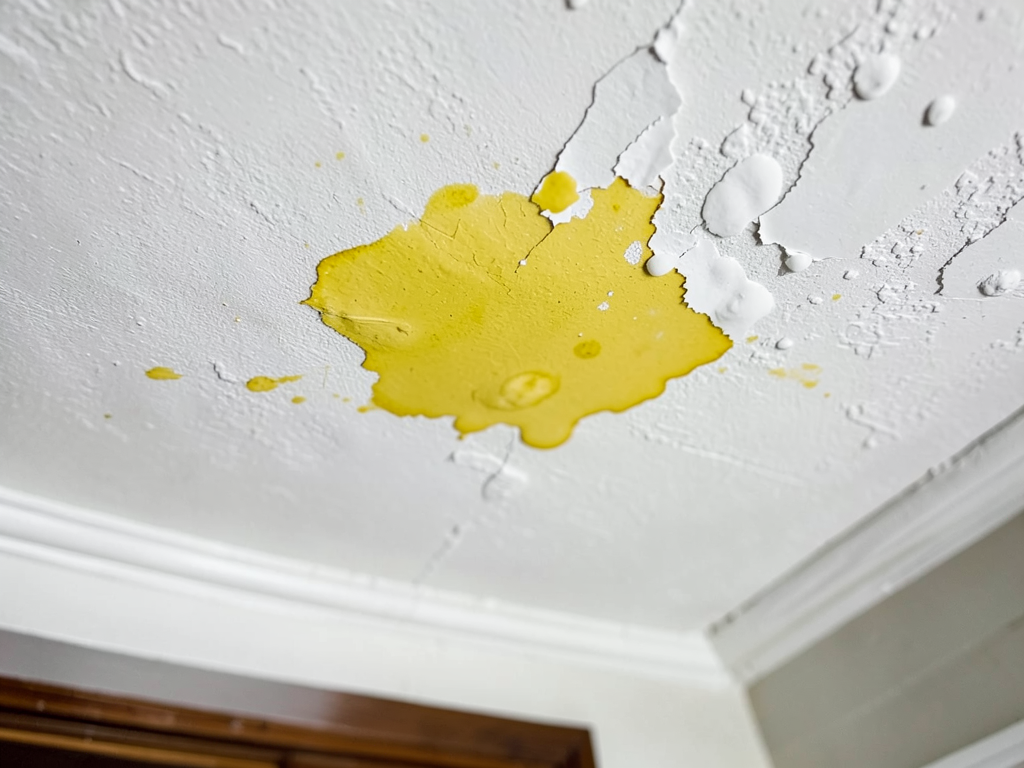
Heat escaping through poorly insulated attics melts snow on roofs. Water runs down and refreezes at the eaves, creating ice dams that force water under shingles and into attic spaces. By the time stains appear on ceilings, water has saturated insulation and soaked into drywall. Repeated freeze-thaw cycles damage shingles and flashing, allowing water intrusion during rainstorms even without ice.

Sewage Backups from Tree Roots and Storm Surges

Tree roots infiltrate clay sewer lines common in older Milwaukee neighborhoods, blocking flow and causing sewage to back up through floor drains and toilets. Storm surges overwhelm combined sewer systems near the Menomonee and Kinnickinnic Rivers, pushing contaminated water into basements. Sewage contains dangerous bacteria and requires specialized cleaning, disposal, and antimicrobial treatment beyond standard water damage restoration.

What To Expect

What to Expect When You Call All Pro for Water Damage Help

The moment you call All Pro Water Damage Restoration Milwaukee, you speak with someone who understands water damage emergencies and can help immediately. We dispatch a crew within 60 minutes, not hours or the next day. Our technicians call you when they are 15 minutes away so you know exactly when help arrives. When crews arrive, they assess damage, identify water sources, and begin extraction immediately. You receive clear communication about what needs to happen, how long it takes, and what it costs. We photograph everything for insurance purposes and explain what your policy typically covers. Most water damage restoration is covered by homeowners insurance when the damage is sudden and accidental. Throughout the drying process, technicians monitor moisture levels daily and adjust equipment as needed. You receive regular updates on progress and timeline. When drying is complete, we provide detailed documentation showing moisture readings returned to dry standards. If reconstruction is needed, our project managers coordinate all trades and inspections. You get one point of contact managing the entire project from emergency call to final walkthrough.

Immediate Response and Clear Emergency Assessment

Our dispatch center answers calls 24/7 and sends crews within one hour. When technicians arrive, they quickly identify water sources, stop active leaks if possible, and assess damage extent. You receive a clear explanation of what needs to happen next, what equipment will be used, and how long the process takes. We photograph and document everything before starting work. Insurance claims require detailed documentation from the beginning, and our thorough approach prevents disputes later.

Daily Monitoring and Professional Communication

Technicians visit your property daily to check equipment, take moisture readings, and adjust drying systems based on progress. We call you with updates and answer questions about timeline or insurance. You never wonder what is happening or when the process will end. Our project managers handle insurance company communication, providing documentation and estimates in the format adjusters need. This professional approach speeds up claims approval and payment.

Complete Documentation and Quality Verification

Before we declare drying complete, moisture readings must meet industry standards documented in detailed reports. These reports protect you if problems appear later and satisfy insurance company requirements. If reconstruction is needed, we provide detailed estimates and timelines. Our crews complete all work to Milwaukee building code standards, coordinating inspections when required. You receive warranty information and guidance on preventing future water damage at your property.

How It Works

Our Water Damage Restoration Process for Milwaukee Properties

Water damage restoration follows specific protocols to ensure complete drying and prevent future problems. Our process removes water, dries structural materials, and verifies moisture levels return to normal ranges before reconstruction begins.

Emergency Water Extraction

Crews arrive with truck-mounted extraction equipment and portable pumps to remove standing water. We extract water from carpets, pads, and flooring before it spreads to walls and adjacent rooms. Saturated materials like drywall, insulation, and baseboard trim are removed when they cannot be dried effectively. We contain affected areas with plastic barriers to prevent moisture from migrating to dry spaces. Emergency board-up and tarping protect your property from weather and security risks during restoration.

Structural Drying and Monitoring

Industrial dehumidifiers and air movers run continuously to pull moisture from walls, floors, and structural cavities. Technicians measure temperature, humidity, and material moisture content daily with calibrated instruments. Thermal imaging reveals hidden moisture in wall cavities and ceiling spaces. Equipment placement adjusts based on drying progress. Most structures dry within three to seven days depending on materials and damage extent. We do not stop drying until readings meet industry standards.

Final Verification and Restoration

Once moisture readings return to dry standards, we document results with detailed reports and photographs. Antimicrobial treatments are applied when needed to prevent mold growth. If reconstruction is required, our crews complete drywall, flooring, painting, and finish work to return your property to pre-loss condition. We handle permit applications, coordinate inspections, and ensure all work meets Milwaukee building codes. You receive a final walkthrough and warranty information before project completion.

Our Expertise

Understanding Water Damage Standards and Restoration Science

Professional water damage restoration follows IICRC S500 standards, which define proper protocols for different water categories and material types. Category 1 water comes from clean sources like supply lines and does not pose contamination risks. Category 2 water contains chemical or biological contamination from sources like washing machines, dishwashers, or toilet bowls without feces. Category 3 water includes sewage, flooding from rivers, and any water contaminated with harmful bacteria or chemicals.

Each category requires different safety precautions, drying methods, and disposal procedures. Category 1 water can often save carpets and padding if extraction and drying begin within 48 hours. Category 2 water requires removing padding and sanitizing carpets. Category 3 water requires removing all porous materials that contacted contaminated water including drywall, insulation, carpet, padding, and sometimes subflooring.

Psychrometry is the science of moisture in air and materials. Professional restoration technicians use psychrometric calculations to determine proper dehumidifier capacity, air mover placement, and expected drying time. Relative humidity must stay between 30 and 50 percent during drying to prevent mold growth while pulling moisture from materials. Temperature affects drying speed, with warmer air holding more moisture.

Materials dry at different rates based on density and composition. Hardwood floors take longer than carpet. Plaster walls dry slower than drywall. Concrete holds moisture for weeks after surface drying. Thermal imaging cameras detect temperature differences caused by evaporation, revealing hidden moisture that standard moisture meters miss. This technology prevents incomplete drying that causes mold growth, wood rot, and structural damage weeks after restoration appears complete.

Milwaukee building codes require permits for certain types of water damage repairs. Electrical work damaged by flooding requires inspection. Replacing structural framing needs permits and inspections. Our project managers know when permits are required and handle applications with the city. We also work with Milwaukee health department regulations when sewage contamination requires professional remediation and verification testing.

Water Category Classification and Safety Protocols

IICRC standards classify water damage into three categories based on contamination level. Category 1 clean water requires standard drying. Category 2 gray water needs sanitizing and padding removal. Category 3 black water requires removing all porous materials and antimicrobial treatment. Proper classification determines worker safety requirements, material disposal procedures, and restoration methods. Misclassifying water category leads to health risks and inadequate restoration.

Factors That Affect Water Damage Restoration Costs

Restoration cost depends on water category, affected area size, material types, and response time. Category 3 sewage backups cost more than clean water damage because all porous materials must be removed. Finished basements require more reconstruction than unfinished spaces. Hardwood floors cost more to dry than carpet. Fast response within hours prevents secondary damage that increases project scope and cost significantly.

Professional Restoration Standards

Realistic Drying Timelines for Milwaukee Properties

Most residential water damage dries within three to seven days when extraction begins immediately. Large commercial properties or severe flooding takes longer. Concrete foundations and plaster walls dry slower than wood framing and drywall. High humidity during summer extends drying time. Winter heating speeds evaporation but requires more dehumidification. We monitor moisture daily and do not stop drying until readings meet standards regardless of timeline estimates.

Insurance Coverage and Claim Documentation Requirements

Homeowners insurance covers sudden and accidental water damage like burst pipes and appliance failures. Flood damage requires separate flood insurance through NFIP. Insurance companies require detailed documentation including photos, moisture readings, equipment logs, and estimates in Xactimate format. Inadequate documentation causes claim delays and disputes. Our project managers handle all insurance communication and provide documentation that gets claims approved quickly.

Serving Milwaukee and Surrounding Communities

All Pro Water Damage Restoration Milwaukee serves the entire Milwaukee County area including downtown Milwaukee, Bay View, Riverwest, Washington Heights, Wauwatosa, West Allis, and Greenfield. Our crews respond to water emergencies from the lakefront near Bradford Beach and Veterans Park to the western suburbs along Highway 45. We know these neighborhoods because we live and work in them.

Bay View and Riverwest face basement flooding during spring thaw when the Kinnickinnic and Milwaukee Rivers swell with snowmelt. Older homes in Washington Heights and Sherman Park have limestone foundations and clay soil that hold water against basement walls. Properties near Lake Michigan along Lincoln Memorial Drive deal with wind-driven rain that penetrates siding and windows during storms. The lakefront also creates humid conditions in summer that cause condensation problems in attics and crawl spaces.

Wauwatosa and Tosa Village feature homes built in the 1920s through 1950s with aging plumbing, cast iron drain lines, and minimal waterproofing by modern standards. West Allis properties face similar challenges with older infrastructure and combined sewer systems that back up during heavy rain. Greenfield and areas near Mitchell Airport experience flooding when storm sewers overwhelm during severe weather events that drop several inches of rain in hours.

We also serve suburbs throughout Waukesha County including Brookfield, New Berlin, Muskego, and Franklin. These areas feature newer construction with modern drainage systems but still face burst pipe emergencies during winter and basement flooding from severe storms. Our service area extends to Ozaukee County communities like Mequon, Grafton, and Cedarburg where properties near the Milwaukee River experience flooding during spring runoff.

Response time matters in water damage restoration. Every minute water sits, it spreads deeper into materials and causes more damage. Our Milwaukee location allows crews to reach most properties within 60 minutes regardless of which neighborhood you call from. We keep trucks stocked with equipment and ready to deploy 24/7 because water emergencies do not wait for business hours.

Frequently Asked Questions

Water damage restoration costs in Milwaukee vary based on damage severity, water category, and affected square footage. Minor leaks affecting one room typically range lower, while major flooding through multiple levels costs more. Factors include water extraction time, structural drying needs, and material replacement. Milwaukee's older housing stock, common in areas like Bay View and Riverwest, often requires additional mold prevention due to plaster walls and basements prone to moisture. Class 1 damage costs less than Class 4 saturation. Get a professional assessment before settling with insurance to avoid undervaluation.
Water damage restoration is worth it to prevent catastrophic structural failure and health hazards. Milwaukee's freeze-thaw cycles make untreated water damage exponentially worse. Water weakens floor joists, studs, and foundation walls. Within 48 hours, mold colonizes drywall and insulation, triggering respiratory issues. Restoration stops the damage cascade, preserves your home's value, and prevents insurance claim denial for neglect. Skipping professional drying leaves hidden moisture in wall cavities and subfloors, leading to rot and pest infestations. The cost of restoration is always less than the cost of replacement and medical bills.
Water damage restoration includes emergency water extraction, structural drying, moisture mapping, antimicrobial treatment, and reconstruction. Technicians use thermal imaging to find hidden moisture in walls and ceilings. Industrial dehumidifiers and air movers dry the structure to below 15 percent moisture content. Damaged drywall, insulation, and flooring get removed. Contents are packed out and cleaned if salvageable. Final steps include odor removal, mold prevention treatment, and rebuilding affected areas. Milwaukee homes often require basement waterproofing assessments after restoration due to high water tables near Lake Michigan.
Water damage restoration costs in Milwaukee vary based on damage severity, water category, and affected square footage. Minor leaks affecting one room typically range lower, while major flooding through multiple levels costs more. Factors include water extraction time, structural drying needs, and material replacement. Milwaukee's older housing stock, common in areas like Bay View and Riverwest, often requires additional mold prevention due to plaster walls and basements prone to moisture. Class 1 damage costs less than Class 4 saturation. Get a professional assessment before settling with insurance to avoid undervaluation.
Water damage restoration is worth it to prevent catastrophic structural failure and health hazards. Milwaukee's freeze-thaw cycles make untreated water damage exponentially worse. Water weakens floor joists, studs, and foundation walls. Within 48 hours, mold colonizes drywall and insulation, triggering respiratory issues. Restoration stops the damage cascade, preserves your home's value, and prevents insurance claim denial for neglect. Skipping professional drying leaves hidden moisture in wall cavities and subfloors, leading to rot and pest infestations. The cost of restoration is always less than the cost of replacement and medical bills.
Water damage restoration includes emergency water extraction, structural drying, moisture mapping, antimicrobial treatment, and reconstruction. Technicians use thermal imaging to find hidden moisture in walls and ceilings. Industrial dehumidifiers and air movers dry the structure to below 15 percent moisture content. Damaged drywall, insulation, and flooring get removed. Contents are packed out and cleaned if salvageable. Final steps include odor removal, mold prevention treatment, and rebuilding affected areas. Milwaukee homes often require basement waterproofing assessments after restoration due to high water tables near Lake Michigan.
Immediately after water damage, stop the water source if safe, shut off electricity to affected areas, and move valuables to dry ground. Document everything with photos and video for insurance. Remove standing water with towels or a wet vacuum. Open windows if weather permits to increase airflow. Contact a Milwaukee water damage restoration company within the first hour. Time matters because mold starts growing within 24 to 48 hours. Do not use household fans on Category 2 or 3 water, which contains contaminants. Do not delay calling your insurance company.
Insurance typically pays for water restoration if damage results from sudden, accidental events like burst pipes, appliance malfunctions, or roof leaks from storm damage. Policies exclude gradual damage from neglect or lack of maintenance. Milwaukee homeowners with older plumbing should document regular inspections. Flood damage requires separate flood insurance, critical for properties near the Milwaukee, Menomonee, and Kinnickinnic rivers. Sewer backup coverage is an optional endorsement worth having. File your claim immediately, document everything, and get a professional assessment before accepting the adjuster's initial estimate.
Servpro's water damage timeline depends on damage extent, but typical jobs take three to five days for drying and one to two weeks for full restoration with repairs. Each company operates independently with different response times and crew availability. Milwaukee has multiple restoration companies with faster response times due to local ownership. What matters more than brand name is certified technicians, proper equipment, and immediate availability. Emergency water extraction should happen within four hours to prevent secondary damage. Get multiple quotes and verify IICRC certification before choosing based on name recognition alone.
The average water damage claim in Milwaukee ranges from minor to substantial, depending on water source and response time. Bathroom supply line failures average lower than basement floods. Whole-home incidents involving multiple floors cost significantly more. Wisconsin's cold climate creates higher claims during winter pipe bursts. Your claim amount depends on water category, structural damage, and contents loss. Insurance adjusters often undervalue claims initially. Get an independent restoration assessment with moisture readings and thermal imaging documentation. Claims involving mold remediation increase costs substantially, which is why immediate professional drying matters.
Mold begins growing within 24 to 48 hours after water damage in Milwaukee's humid climate. Spores are always present but need moisture, warmth, and organic material to colonize. Drywall, wood, and insulation provide ideal food sources. Milwaukee basements with poor ventilation accelerate growth. Visible mold appears within 72 hours if water is not fully extracted and structural drying completed. Hidden mold in wall cavities develops faster in summer humidity. Professional restoration companies use moisture meters to verify materials are below 15 percent moisture content, preventing future growth.
If you cannot afford mold remediation, contact your insurance company first to verify coverage under your water damage claim. Many Milwaukee homeowners overlook policy benefits. Some restoration companies offer financing plans or payment schedules. Address the moisture source immediately to stop additional growth. Small areas under ten square feet can be cleaned with proper safety equipment, but larger infestations require professionals due to health risks and cross-contamination. Milwaukee's Health Department offers guidance on mold assessment. Delaying remediation worsens structural damage and health problems, increasing eventual costs significantly.
Insurance pays for water damage from sudden, accidental events like burst pipes, storm roof damage, or appliance failures. Gradual leaks from poor maintenance get denied. Milwaukee homeowners need to understand policy exclusions. Flood damage requires separate federal flood insurance, important near Milwaukee's river corridors and Lake Michigan. Sewer backup requires an additional endorsement. Document damage immediately with photos, video, and professional moisture assessments. File your claim within your policy's timeframe. Work with restoration companies experienced in insurance documentation to maximize your payout and avoid claim denial.
Immediately after water damage, stop the water source if safe, shut off electricity to affected areas, and move valuables to dry ground. Document everything with photos and video for insurance. Remove standing water with towels or a wet vacuum. Open windows if weather permits to increase airflow. Contact a Milwaukee water damage restoration company within the first hour. Time matters because mold starts growing within 24 to 48 hours. Do not use household fans on Category 2 or 3 water, which contains contaminants. Do not delay calling your insurance company.
Insurance typically pays for water restoration if damage results from sudden, accidental events like burst pipes, appliance malfunctions, or roof leaks from storm damage. Policies exclude gradual damage from neglect or lack of maintenance. Milwaukee homeowners with older plumbing should document regular inspections. Flood damage requires separate flood insurance, critical for properties near the Milwaukee, Menomonee, and Kinnickinnic rivers. Sewer backup coverage is an optional endorsement worth having. File your claim immediately, document everything, and get a professional assessment before accepting the adjuster's initial estimate.
Servpro's water damage timeline depends on damage extent, but typical jobs take three to five days for drying and one to two weeks for full restoration with repairs. Each company operates independently with different response times and crew availability. Milwaukee has multiple restoration companies with faster response times due to local ownership. What matters more than brand name is certified technicians, proper equipment, and immediate availability. Emergency water extraction should happen within four hours to prevent secondary damage. Get multiple quotes and verify IICRC certification before choosing based on name recognition alone.
The average water damage claim in Milwaukee ranges from minor to substantial, depending on water source and response time. Bathroom supply line failures average lower than basement floods. Whole-home incidents involving multiple floors cost significantly more. Wisconsin's cold climate creates higher claims during winter pipe bursts. Your claim amount depends on water category, structural damage, and contents loss. Insurance adjusters often undervalue claims initially. Get an independent restoration assessment with moisture readings and thermal imaging documentation. Claims involving mold remediation increase costs substantially, which is why immediate professional drying matters.
Mold begins growing within 24 to 48 hours after water damage in Milwaukee's humid climate. Spores are always present but need moisture, warmth, and organic material to colonize. Drywall, wood, and insulation provide ideal food sources. Milwaukee basements with poor ventilation accelerate growth. Visible mold appears within 72 hours if water is not fully extracted and structural drying completed. Hidden mold in wall cavities develops faster in summer humidity. Professional restoration companies use moisture meters to verify materials are below 15 percent moisture content, preventing future growth.
If you cannot afford mold remediation, contact your insurance company first to verify coverage under your water damage claim. Many Milwaukee homeowners overlook policy benefits. Some restoration companies offer financing plans or payment schedules. Address the moisture source immediately to stop additional growth. Small areas under ten square feet can be cleaned with proper safety equipment, but larger infestations require professionals due to health risks and cross-contamination. Milwaukee's Health Department offers guidance on mold assessment. Delaying remediation worsens structural damage and health problems, increasing eventual costs significantly.
Insurance pays for water damage from sudden, accidental events like burst pipes, storm roof damage, or appliance failures. Gradual leaks from poor maintenance get denied. Milwaukee homeowners need to understand policy exclusions. Flood damage requires separate federal flood insurance, important near Milwaukee's river corridors and Lake Michigan. Sewer backup requires an additional endorsement. Document damage immediately with photos, video, and professional moisture assessments. File your claim within your policy's timeframe. Work with restoration companies experienced in insurance documentation to maximize your payout and avoid claim denial.

Water Damage Restoration Services in The Milwaukee Area

All Pro Water Damage Restoration Milwaukee is proud to serve the entire Milwaukee metropolitan area and surrounding communities, bringing our fast, professional, and reliable services directly to your residential or commercial location. While we are a mobile, 24/7 rapid-response team, you can use the map below to visualize our service area and confirm our commitment to local expertise. We are always ready to dispatch certified technicians to your exact location to provide immediate, expert water damage help.

Address:
Milwaukee, WI, 53202
Resources & Insights

Read Our Newest Posts

Test Blog 5

Lorem ipsum dolor sit amet. Aut expedita quaerat quo eligendi numquam et laudantium perspiciatis qui minima expedita rem consequatur ducimus. Est tenetur officia sit reprehenderit perspiciatis sit consequatur unde? Hic numquam magnam qui quos sequi…

Test Blog 4

Lorem ipsum dolor sit amet. Aut expedita quaerat quo eligendi numquam et laudantium perspiciatis qui…

Test Blog 3

Lorem ipsum dolor sit amet. Aut expedita quaerat quo eligendi numquam et laudantium perspiciatis qui…

Test Blog 2

Lorem ipsum dolor sit amet. Aut expedita quaerat quo eligendi numquam et laudantium perspiciatis qui…

Stop Water Damage Now. Call All Pro Milwaukee 24/7

Water spreads through your property every minute you wait. All Pro Water Damage Restoration Milwaukee responds within one hour to emergencies across Milwaukee County. Call (414) 392-1771 right now for immediate dispatch. Our crews arrive with truck-mounted extraction equipment and industrial drying systems ready to stop damage and start recovery.